
Creating an environment that supports the varied types of work that take place in a particular setting.
The evolution of the office has been closely tied to the development of technology. So let’s explore the changes by focusing on the technology at hand during each “office design era”:
- The typewriter era: This was a very stationery heavy period, with loads of paperwork (enough copies for everyone), stamps, and ink strips, and mail-men delivering post and parcels. This meant lots of storage was necessary to file all this paperwork into and hold all the stationery stock. A bustle of employees all hurrying to get things signed, or typed up or delivered, up, up along the chain of command the messages would go. Until it reached the secretarial gate-keepers stationed outside the doors of management offices, who were not to be disturbed unnecessarily.
- The Desktop Computer & Printer: These large “high-tech” machines with their fat screens needed cluster desks to stand on, where they were placed in the corner where there was the most space to accommodate the monitors “behind”. These cluster desks were arranged in, you guessed it, clusters of 4, and desk screens were put up to keep employees focused.
- Internet and email: This era meant fewer mailrooms, but people still liked filing hard-copies and even though they didn’t need storage rooms, they wanted some localised storage space. Cubicles became very popular, they were meant to help the office look tidier at a glance, and keep staff focused (reducing visual distractions) since companies couldn’t afford to give everyone a private office, the cubicle desk became the answer.
- Flat-screen Monitors, wireless internet and the rising cost of floor space: Cubicles took up too much space, and with the slim monitors only requiring a straight desk, benched workstations in 4-way or 6-way configurations became the new space-saving solution. Employees were still treated to desktop screens and localised storage, but privacy was not deemed important. After all this new “benching-system” meant more collaboration between employees and a more egalitarian, flattening traditional hierarchical structures. A few meeting rooms and boardrooms were available to conduct business and do presentations. Experience surveys tell us that this is bad for your productivity (and sanity), due to the high level of visual and noise disruptions and the low level of privacy and thus trust (people feel like they are being watched). “A study of more than 2,400 employees in Denmark revealed that employees in open offices took an average of 62% more sick days than those in single offices. Another study found that 90% of workers in open offices showed “high levels of stress, conflict, high blood press pressure, and a high staff turnover.” (How to Improve the Open Office with Activity-Based Work. By Robin )
- Mobile Technology and the cloud: Laptops and cellular phones meant that sales teams, as an example, could get work done while on the road seeing clients. This meant that “hot-desking” could be implemented, a concept of un-assigned desks/workstations available on a first-come, first served basis, to the few employees who weren’t on-the-road or in meetings. Hotdesks, don’t require any personal storage space, but employees couldn’t be expected to carry all their personals with them from meeting to hot-desk to meeting all day, lockers seemed like a genius solution.
- Plug-and-play: All those roaming laptops and phones needed to be re-charged, and it wasn’t flattering or very professional for employees to be crawling around on the floor in search of a plug point, so desk-top plugs and more recently wireless charging points have become available on desktops, cafe-counters, airport lounges, meeting rooms, and even a few coffee tables.
- Smartwatches: This wearable tech that tracks steps, heart rate, sleep and keeps you connected to your phone has caused big awareness and a new focus on health in the workplace. The published benefits of moving, countered by the health risks associated with sitting all day has meant that businesses have adopted Height-adjustable desks, monitor arms and ergonomic chairs as their new standard. In fact, some countries have even made it law to provide employees with the option to do their work both sitting or standing.
- Virtual meetings (Slack) and Meeting room and desk reservation apps: Your office can now have an app, that allows you to book a meeting room or reserve a desk for the short periods that you might need it. This has resulted in a lot more flexi-hours being implemented at many companies and given dispersed teams the freedom to have scheduled virtual meetings that only requires their choice of mobile tech, a fast internet connection and possibly shared access to a cloud. People have been freed from their desks, and can now work where, how and when they want.
The focus is still on optimised use of office space. Over time we have learned that a single office creates a hierarchy that slows decision making and growth whilst open-plan offices are disruptive and distracting. Mobile technology means people never even have to see each-other, but this isn’t great for a company culture that stems from spontaneous interactions and relationship building. So how do you create an office, that people want to come to, where they can collaborate and do focused work?
Offer choice is the simple but complicated answer.
-
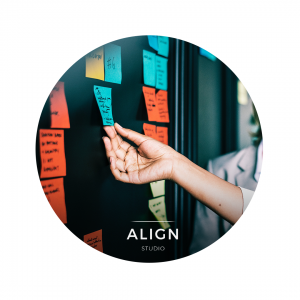
- Project Work
-
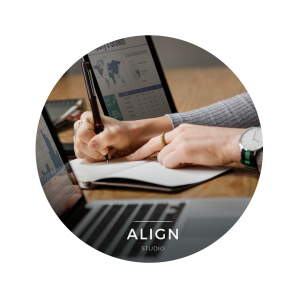
- Focused Solo Work
-
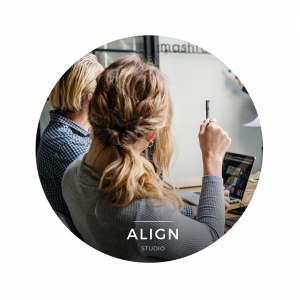
- Formal Meetings
-

- Socialise
A new concept or strategy has emerged that offers employees a variety of spaces to do their best work, allowing employees to seek out group spaces when they need to, and work in quiet privacy when they don’t. It is called Activity Based Work (ABW).
In order to achieve ABW, your office needs to identify what kind of activities their employees engage in during the day. Then design spaces that are equipped with the right tools for the job, and furnished to achieve the desired level of comfort, acoustics, lighting, flexibility and control to conduct the work. Add fast and easy connections and your office become a place people want to work, rather than a place they have to work.
ABW workplaces promote employees’ well-being. They accommodate different personalities and moods, letting employees choose the work setting that best suits them at that moment in time. They foster movement, preventing employees from being sedentary for eight hours straight. And their strategic openness encourages interactions both casual and formal, social and professional.
This means that ABW doesn’t have to be expensive, or pretentious. You don’t need to go out and get each of your employees a MacBook Air and telling them they’re free to work remotely. It doesn’t require the kind of Instagram-worthy décor that comes up when you Google “startup office perks.” It doesn’t mean having beanbag chairs, ping-pong tables, nap rooms, or secret speakeasy.
For the optimum return on investment
ABW should be seen as a customised company eco-system, here are a few tips for designing and implementing ABW in your workplace (adapted from How to Improve the Open Office with Activity-Based Work. By Robin )
- Ask your employees – how do they currently work, and how would they’d ideally like to work? How often do your employees work alone versus in groups, and how large are those groups? What do they need to be surrounded by to be laser-focused? Outside the office, do they prefer to work at a café or at home or somewhere else, and why? What’s their biggest distraction? Are there any technological tools they wished they had?
- Ensure management and the executives are all-in and back this strategy.
- Consider people, technology, and space equally
- Wellness at work (ergonomic furnishing and spacial elements) can lead to a happier more engaged workforce
- Understand there is no one-size-fits-all solution.
- Focus on sound, air, and light quality and how it needs to change from one environment to the next
- Make sure your technology is mobile.
- Using space utilization technology can arm facilities with the right data to help fine-tune the office design until employees have access to the ideal number of open to private spaces, employees to desks, and so on.
